
More than $100 billion worth of cryptocurrency is wagered each year in online gambling markets, a sign that betting in digital money is growing fast alongside traditional systems. Sports bettors are finding new ways to play and pay, and a parallel economy is emerging that depends on cryptos instead of banks or credit cards.
What Sets Crypto Casinos Apart
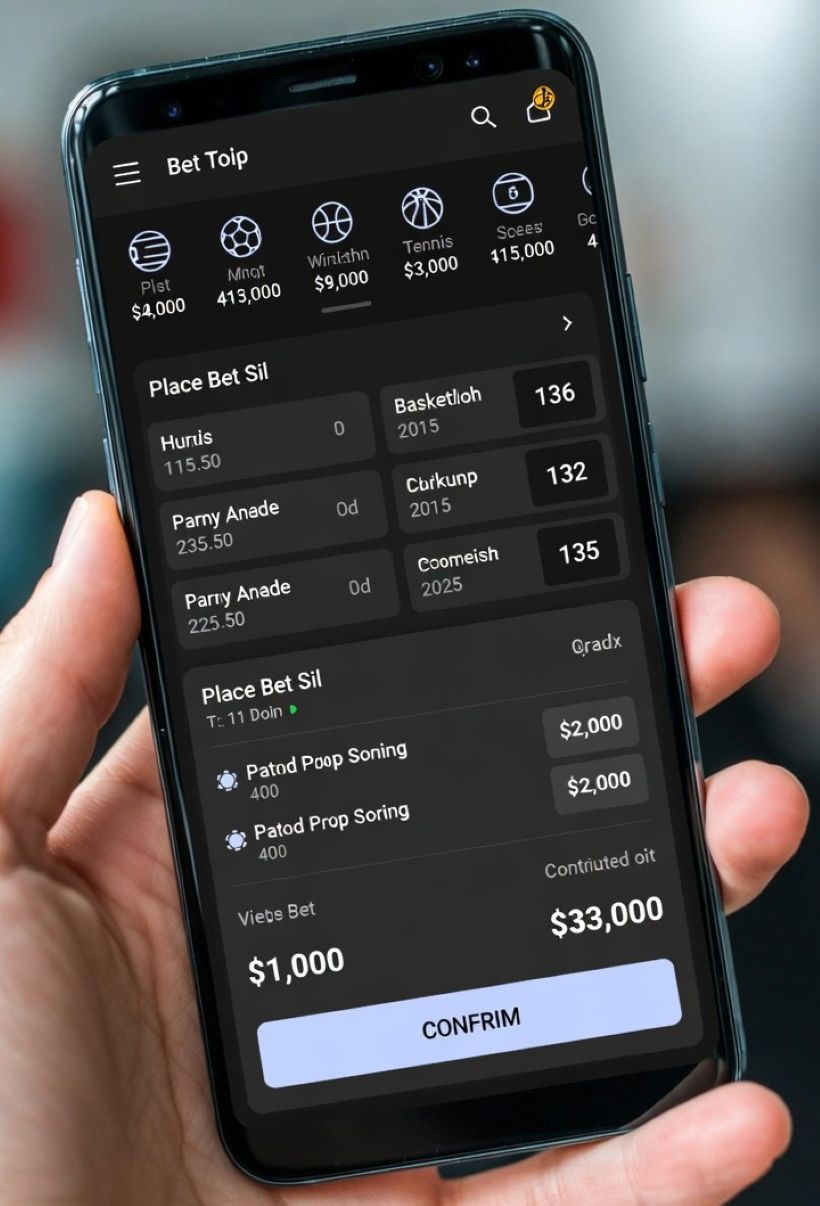
The growth of the crypto casino ecosystem shows that a parallel sports betting economy is taking shape. It thrives on speed, autonomy, and global access, and it points to a future where digital and traditional betting coexist and evolve together.
At the heart of this shift is a new class of platforms built around blockchain and digital assets. One example is Krypto Casino, a guide and access point connecting players to sites where wagering is made with Bitcoin, Ethereum, and other tokens. These platforms combine features from both online casinos and sports betting sites, and they attract users who want flexible odds, multiple currencies, and settlements that happen in minutes instead of days.
For decades, sports betting has relied on regulated systems tied to governments and financial institutions. Punters place a bet in their currency of choice, wait for verification, and then collect winnings through intermediaries like banks or online payment processors. These middlemen introduce friction, delays, and costs at every step. Crypto casinos operate differently. They use decentralized ledgers that record transactions without central oversight. That means a bet can be placed from halfway around the world with minimal paperwork or identity checks in some jurisdictions, and payouts can arrive instantly after an event ends.
Speed, Autonomy, and Global Access
Speed and autonomy are two reasons why many bettors find this alternative appealing. Traditional sportsbooks might take a day to clear funds after a big win. With a sports bet on a crypto casino site, a deposit could clear in seconds. That fast settlement comes from the peer-to-peer nature of blockchain, where transactions are verified by a network of computers rather than one central authority. This also reduces the role of banks in betting, and it gives users more control over their funds.
Bettors in countries with strict gambling laws are particularly drawn to this model. Where licensed sportsbooks are limited or banned, crypto-based sites often fill the gap. The use of digital wallets means a bettor in Europe can engage with the same sportsbook as someone in South America or Asia, provided that country’s laws allow it. This global access is a stark contrast to traditional sports betting, which is often carved up by national or state borders. For many, it feels like a more open and inclusive way to bet on events like football, basketball, or horse racing.
Currency Flexibility and Dynamic Odds
Another feature that sets this parallel economy apart is the range of currencies accepted. While traditional sportsbooks are confined to national fiat currencies, crypto casinos allow bets in Bitcoin, Ethereum, Litecoin, and stablecoins like USDC. Some platforms even offer dynamic odds that update in real time based on market conditions. Players can switch between tokens depending on fees, speed, and volatility. This flexibility appeals to tech-savvy bettors and those invested in decentralized finance (DeFi) ecosystems.
Challenges and Risks
Critics of crypto casinos point to volatility and a lack of regulation. Digital assets can swing wildly in value over short periods. A bettor who wins 1 Bitcoin one day might find its dollar value has shifted dramatically by the time they convert it. That risk is part of the broader crypto economy, and it carries into gambling. Regulation varies widely, and some countries have taken steps to restrict or ban crypto-based wagering altogether. Supporters argue that stronger self-regulation among platforms, coupled with transparent blockchain records, can create safer environments for users.
Integration with the Broader Crypto Economy
In many ways, the rise of these platforms mirrors broader trends in finance and technology. Decentralized exchanges, peer-to-peer lending, and tokenized assets are all reshaping how people interact with money and value. Crypto casinos fit into this pattern. They are not replacing traditional sportsbooks yet, but they offer an alternative that stands on its own merits. Just as some investors prefer decentralized finance to traditional banking, a growing cohort of bettors prefer decentralized wagering to legacy betting shops and online sportsbooks tied to fiat currencies.
The intersection of sports and crypto also attracts new kinds of partnerships and innovations. Some leagues and teams have experimented with token rewards tied to performance. Others have toyed with blockchain-based fan engagement that lets token holders vote on team decisions or earn unique digital memorabilia. While these ventures are early and sometimes experimental, they signal that sports and digital currencies are beginning to blend in areas beyond simple wagering.
READ ALSO: Maximizing Wins – How ZetCasino’s Bonuses and Promotions Enhance the Sports Betting Experience
The Future of Sports Betting
For bettors, the decision to use a crypto casino or a traditional sportsbook often comes down to personal priorities. Speed and autonomy matter to some. Others want the legal protections and consumer safeguards that come with licensed operators in regulated markets. Still, the fact that both models exist and continue to grow suggests there is room for multiple betting economies. What was once a niche option has become a serious contender in the larger gambling landscape.
As blockchain technology matures and more users become comfortable with digital assets, this parallel sports betting economy is likely to expand. Whether it ever fully integrates with traditional systems or remains a separate corner of the betting world, the impact of crypto-based wagering is clear. It offers a new way to place a bet, manage funds, and engage with sports without waiting for banks or borders to clear the path. By combining speed, autonomy, and global access, the crypto casino model is redefining how millions think about putting money behind their favorite teams and outcomes.
In conclusion, the growth of the crypto casino ecosystem shows that a parallel sports betting economy is taking shape. It thrives on speed, autonomy, and global access, and it points to a future where digital and traditional betting coexist and evolve together.